Professional Pest Control Service San Antonio property owners rely on delivers systematic barrier defense and mechanical structural exclusion to halt invasive South Texas vectors before they breach interior living areas. From aggressive subterranean termite colonies foraging through the fractured limestone strata of Stone Oak to severe German cockroach infestations in dense urban multifamily dwellings, decisive intervention eliminates active infestations and protects structural integrity.
No forms — call now for a fast, no-pressure quote.
📞 Call (254) 489-5997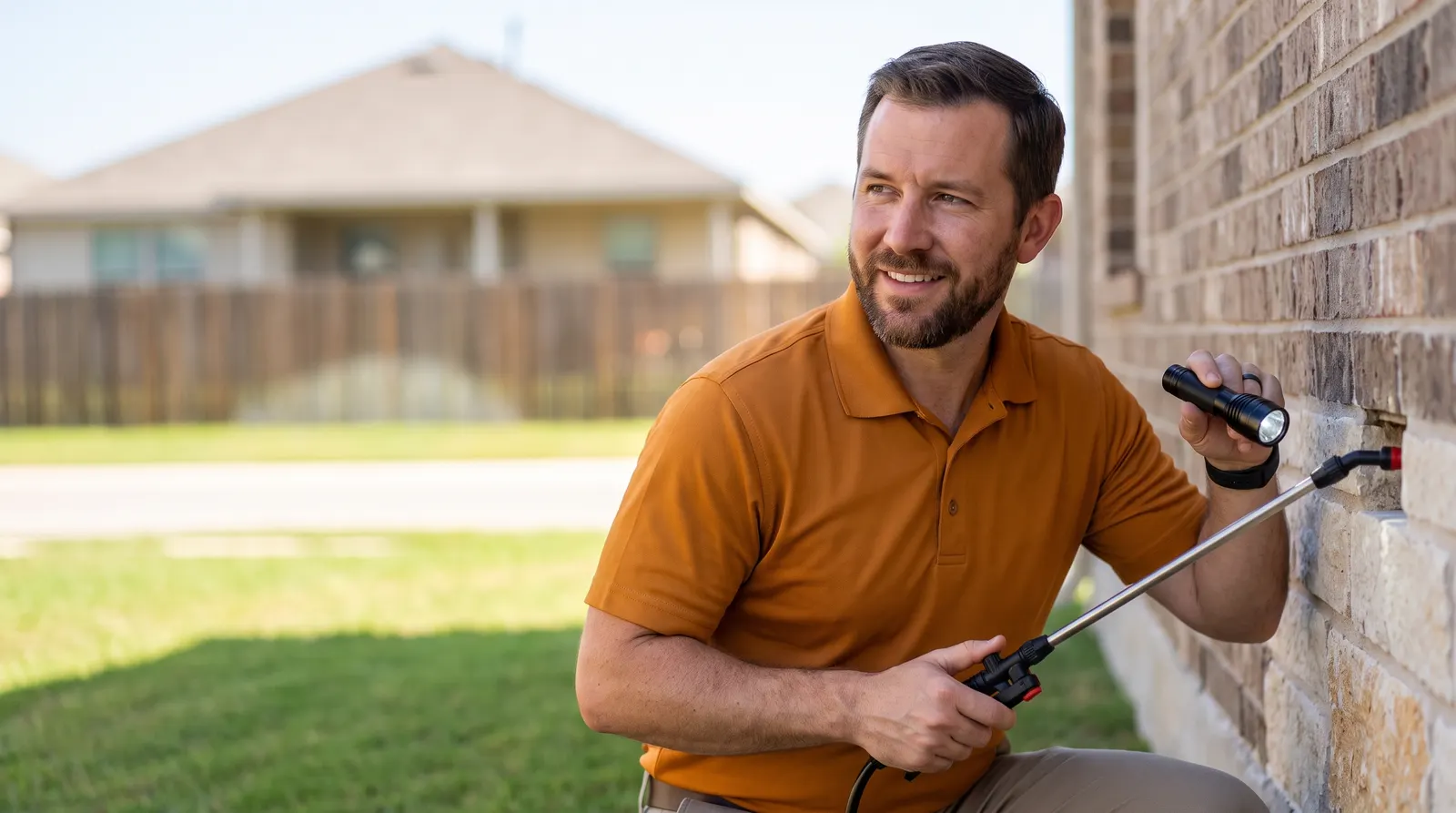
Pest Control Service in San Antonio is a targeted biological eradication and structural exclusion protocol designed to eliminate active insect and rodent colonies from residential and commercial structures.
Every service reflects the same meticulous attention to detail — whether it's a single job or a larger pest control service project across San Antonio.
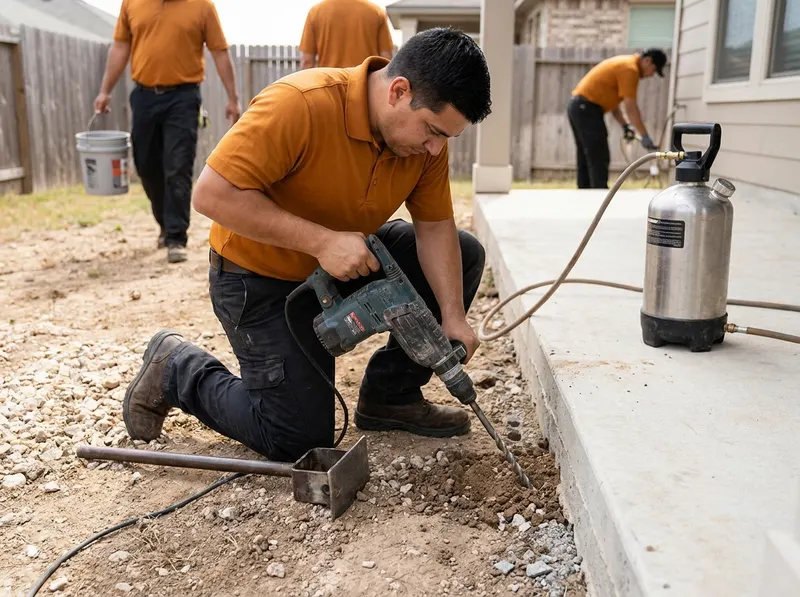
Continuous non-repellent liquid termiticide applications engineered to eliminate Formosan and Eastern subterranean termite colonies foraging beneath concrete slab foundations and pier-and-beam subfloors. Technicians trench along exterior foundation perimeters, drill specialized access portals through adjoining flatwork patios and garage slabs, and inject measured liquid barriers into sub-slab soil. This chemistry adheres to local caliche and clay soil particles, allowing foraging termites to unknowingly pass through the active agent and transfer the lethal active ingredient back to the central subterranean queen through social grooming and trophallaxis, halting structural wood consumption.
View details →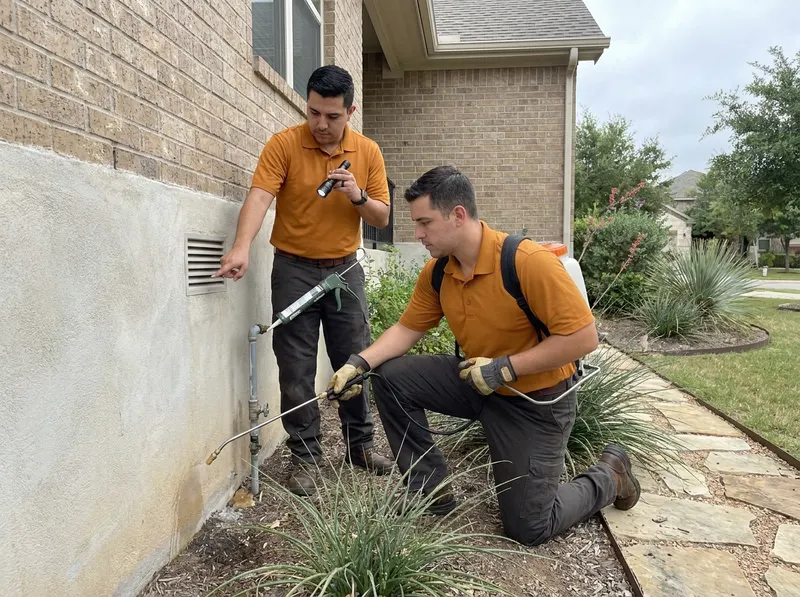
Targeted exterior defense protocols designed to eliminate Centruroides vittatus from residential structures across northern and western Bexar County. Service includes applying UV-stable microencapsulated liquid formulations along the bottom 3 feet of exterior masonry foundations, installing breathable woven copper mesh or galvanized inserts into open brick weep holes, and treating crawlspace retaining walls. Technicians conduct detailed nighttime ultraviolet blacklight inspections to map harborage clusters in rock retaining walls, flagstone patios, and exterior landscape borders, applying long-lasting contact dusts within expansion joints to eliminate scorpions before they migrate into baseboards and bedrooms.
View details →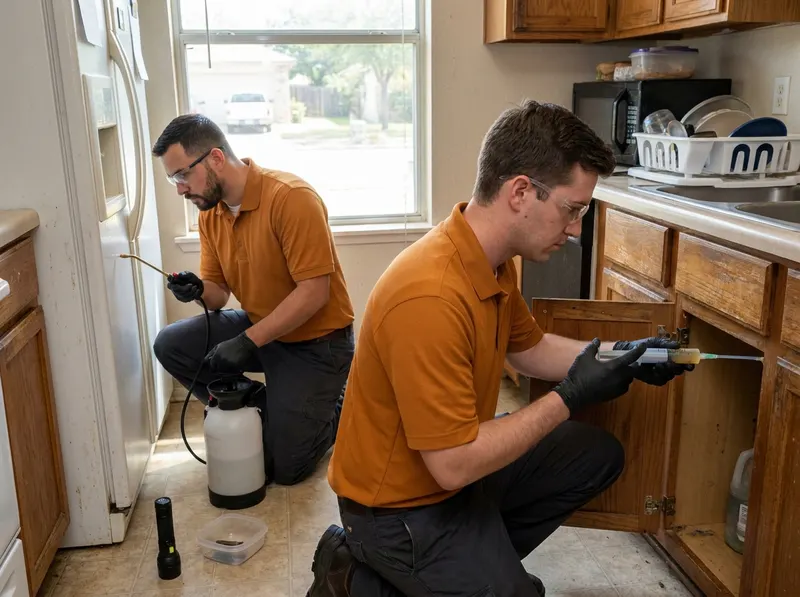
Systematic eradication program formulated for high-density infestations of Blattella germanica in residential kitchens, pantries, and multi-unit housing complexes. The treatment combines highly palatable non-repellent matrix baits containing abamectin or indoxacarb with juvenile hormone mimics that arrest the reproductive molting process of nymphal instars. Technicians apply targeted micro-injections directly into hidden cabinet hinges, electrical junction housings, hollow appliance framework legs, and wall void plumbing chaseways, rapidly neutralizing reproductive cycles without dispersing broad-spectrum airborne chemicals across open living zones.
View details →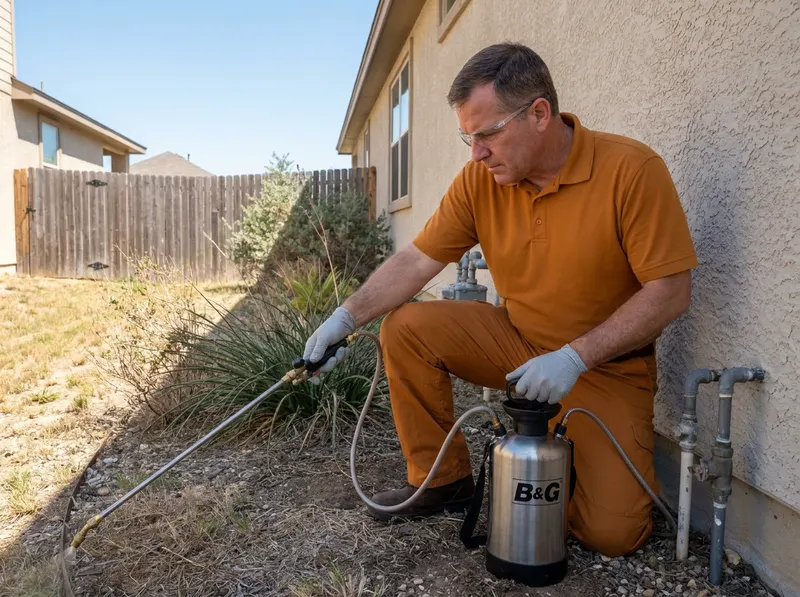
Targeted suppression of large peridomestic roach species that harbor in municipal sewer lines, mulch beds, tree canopies, and water meter boxes. Technicians deploy water-resistant granular baits across exterior mulched landscape perimeters, inject moisture-resistant residual formulations into sub-grade utility vaults, and establish a continuous chemical barrier around crawlspace access doors and foundation vents. Mechanical exclusion measures include sealing gaps around exterior hose bibbs, air conditioning condensation drain lines, and oversized utility conduit openings to stop migrating adults from penetrating interior baseboards.
View details →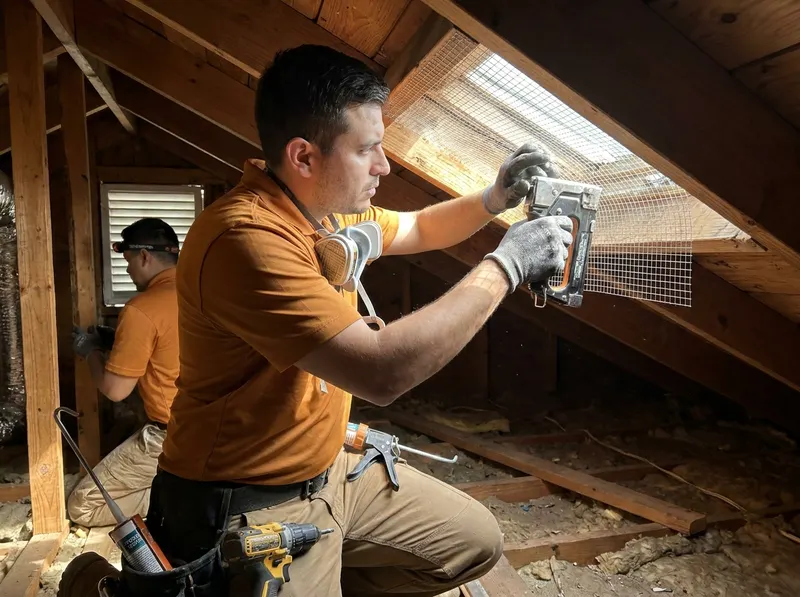
Complete mechanical animal exclusion and biological sanitization protocol targeting Rattus rattus populations inhabiting attic insulation, cathedral ceilings, and soffit voids. Technicians map roofline transitions, ridge vents, gable louvers, and plumbing stack flashings, permanently sealing all breaches larger than one-quarter inch with 23-gauge galvanized steel mesh, copper mesh, and elastomeric structural sealants. Heavy snap-trapping arrays within non-living attic zones rapidly extract remaining animals, followed by the vacuum extraction of localized droppings and the application of an enzyme-based sanitizing aerosol to neutralize pheromone trails and pathogenic biological residues.
View details →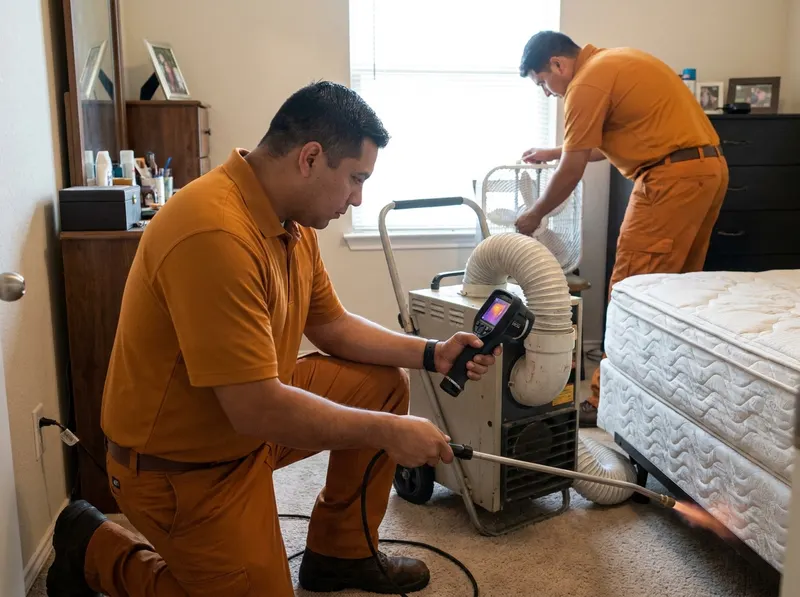
Multi-phase biological eradication program targeting Cimex lectularius in residential bedrooms, guest suites, and hospitality facilities. The remediation integrates high-temperature localized thermal dry-steam application along mattress seams, upholstered furniture frames, and baseboard crevices, followed by precision liquid applications of dual-action residual insecticides and amorphous silica desiccant dusts within electrical switch plates and hollow wall cavities. This multi-modal approach eliminates active adults and nymphs while piercing the protective outer lipid layers of insect egg clusters, preventing delayed hatching cycles and ongoing occupant bites.
View details →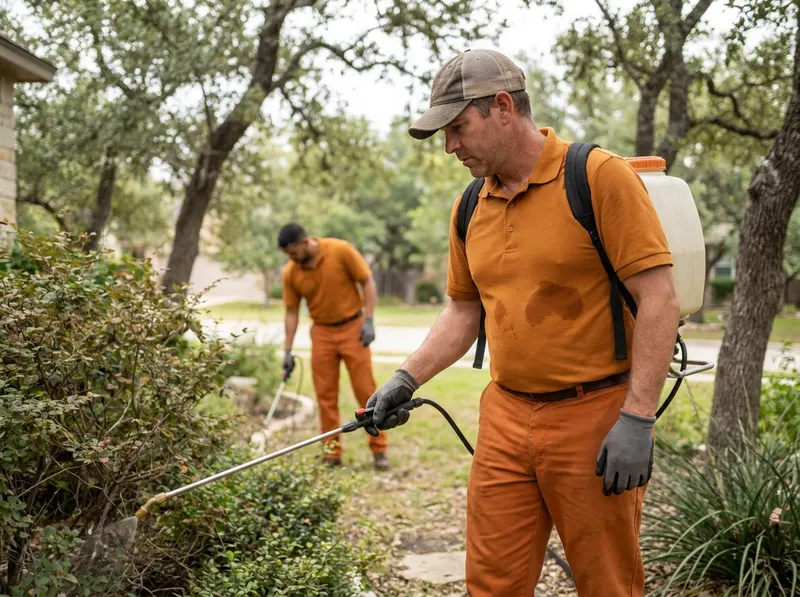
Comprehensive yard-wide vector suppression targeting Aedes aegypti and Culex quinquefasciatus mosquitoes across suburban properties from March through November. Technicians utilize backpack mist blowers to apply microencapsulated residual formulations directly to the underside of dense foliage, tree canopies, covered patios, and shaded foundation recesses where adult mosquitoes rest during extreme daylight heat. Concurrently, biological Bacillus thuringiensis israelensis (Bti) larvicide briquettes or granular treatments are placed in non-draining catch basins, French drain cleanouts, and standing decorative water features to stop juvenile mosquito larvae from maturing into biting adults.
View details →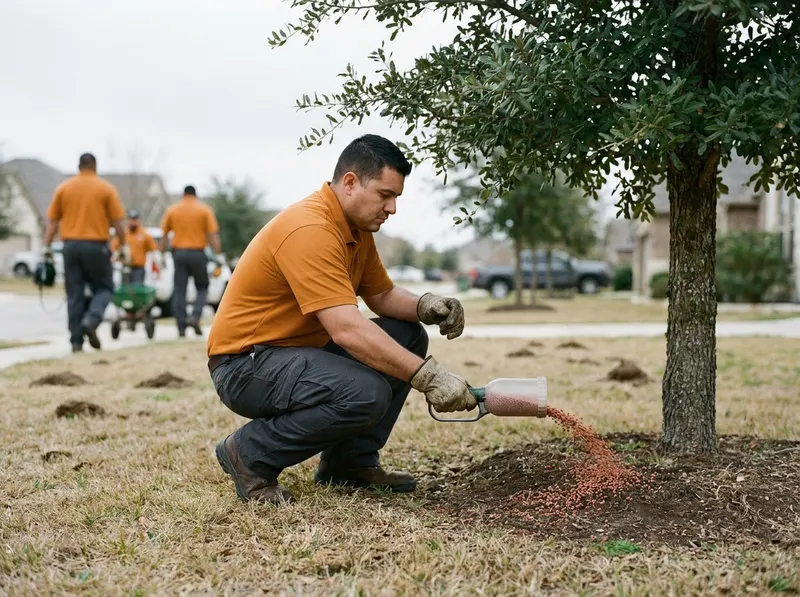
Broad-scale property broadcast treatments combined with targeted mound injections to permanently suppress Solenopsis invicta across residential turf, pastures, and commercial landscape beds. Technicians distribute slow-acting metabolic inhibitor granular baits across open turf areas using calibrated broadcast equipment, allowing foraging worker ants to collect and feed the active compound to the reproductive queen. Severe satellite mounds situated along structural foundations, electrical transformer pads, and swimming pool pump slabs receive direct pressurized botanical or non-repellent liquid drenches to achieve immediate colony collapse without causing mound splitting.
View details →Pest Control Service in San Antonio is a targeted biological eradication and structural exclusion protocol designed to eliminate active insect and rodent colonies from residential and commercial structures.
You get a firm, itemized quote for your pest control service before any work begins — no surprises, no pressure.
Careful prep, tidy work, and a full cleanup when we are done. We treat your home and belongings like our own.
The same trusted, background-checked team from the first call to the final check.
Selecting the correct remediation approach requires matching the specific pest biology and structural design of your property against targeted intervention methods. If you are experiencing visible foraging insects such as German cockroaches, silverfish, or indoor ant trails within food preparation spaces, choose an intensive interior crack-and-crevice cleanout utilizing precision gel baits and insect growth regulators. If your primary concern is preventing seasonal outdoor invaders such as striped bark scorpions, American cockroaches, or millipedes from entering living quarters during peak summer droughts, choose a multi-zone exterior microencapsulated perimeter defense combined with physical weep-hole screening. The trade-off is that interior-only applications resolve isolated harborage pockets but leave exterior perimeters vulnerable to continuous re-infestation, whereas exterior barrier defenses require regular quarterly reapplication to survive South Texas ultraviolet exposure and thermal breakdown. For subterranean termite management, if your structure rests on an active fault line or expansive Houston black clay with frequent foundation shifting, choose non-repellent liquid soil trenching combined with targeted expansion-joint injections rather than localized surface spot sprays. The trade-off is a higher initial investment in excavation and sub-slab drilling versus the severe financial risk of undetected structural framing damage. When dealing with attic noises or rodent gnawing, if you seek a permanent biological resolution, choose full structural exclusion and mechanical trapping over continuous open-air rodenticide bait stations. The trade-off involves higher upfront craftsmanship costs to seal high-elevation roofline junctions, soffits, and fascia gaps, but eliminates the risk of secondary wildlife toxicity and decaying animal carcasses within inaccessible wall voids. For yard-wide vector management involving mosquitoes and biting midges, property owners must choose between automated micro-fine misting circuits and manual monthly foliage surface barrier treatments; automated misting provides consistent automated suppression across dense brush lines but demands ongoing mechanical maintenance, while scheduled manual treatments offer flexible seasonal targeting directly timed to South Texas rainfall events.
Every project gets a firm, written price after a free on-site visit. Ranges below for orientation.
Tell us about your pest control service job and we'll send a clear, written quote — usually the same day. Or just call and talk to a real San Antonio pro.

San Antonio features a complex ecological intersection where the rocky, porous limestone strata of the Edwards Plateau to the north meets the dense, shifting Houston black clay soils of the southern Blackland Prairies. This distinct regional geology creates extreme, localized pest dynamics throughout Bexar County. In northern communities like Stone Oak, The Dominion, and Timberwood Park, extensive bedrock outcroppings, fractured limestone ledges, and caliche soil formations provide undisturbed subterranean harborage for high densities of striped bark scorpions, red imported fire ants, and subterranean termites. During the intense triple-digit heat and extended drought conditions typical of South Texas summers between June and August, outdoor moisture reservoirs vanish, driving these resilient crawling arthropods directly toward residential foundations, irrigated lawn borders, and interior air-conditioned spaces through masonry weep holes. Conversely, historic districts such as King William, Monte Vista, and Alamo Heights feature classic pier-and-beam architecture, sprawling live oak canopies, and mature landscape root networks that foster elevated humidity levels. These environmental conditions maintain high populations of smokybrown and American cockroaches, carpenter ants, and roof rats that forage along interconnected tree branches and enter older wood-framed rooflines, fascia boards, and crawlspaces. Furthermore, the expansive clay soils prevalent around Westover Hills and the Medical Center undergo dramatic shrink-swell cycles following heavy spring thunderstorm downpours along the Salado Creek and Leon Creek watersheds, producing visible structural foundation settling, masonry cracking, and perimeter soil gaps. These structural shifts create direct subterranean entry portals that allow Eastern subterranean and Formosan termites to bypass surface barriers and access structural sill plates. Standardized surface spray routines fail under these severe geographic and climatic demands; lasting biological protection requires structural exclusion protocols, UV-stable formulations, and deep sub-slab treatments specifically engineered for San Antonio architecture and Bexar County soil chemistry.
 Bug Stop Pest Control